Camp Kitchen & Power
TECHNICAL ARCHIVE // 5 VERIFIED BENCHMARKS

Camp Kitchen & Power

Off-grid electrical engineering, lithium iron phosphate battery architecture, DC refrigeration, and thermal camp cooking physics.

CHIEF ENGINEER: MARCUS VANCE•LAB TELEMETRY: ACTIVE

Engineering CAD & Telemetry Blueprint

LAB ARCHIVE
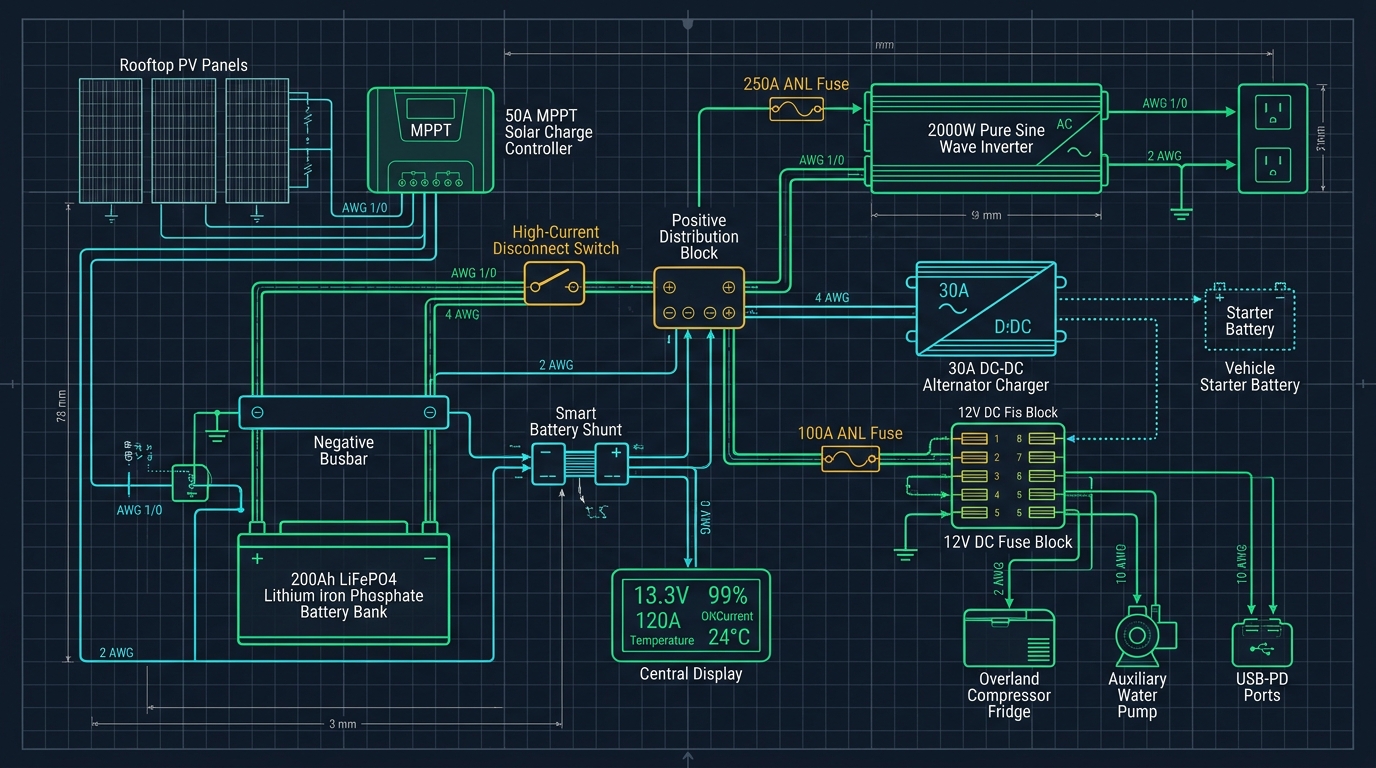
FIGURE 1.1: DC ELECTRICAL CIRCUIT TOPOLOGY & CONVERSION TELEMETRYLAB-SCHEMATIC // REV 4.2
DC Mobile Power Architecture & LiFePO4 Electrical Circuit Blueprint

Calibrated laboratory schematic: Demonstrates pure sine inverter tare losses, 50A MPPT solar regulation, and direct 12V DC refrigeration efficiency.

Published Field Guides in Camp Kitchen & Power

5 In-Depth Engineering Guides with Complete Spec Matrices

5 / 5 Complete
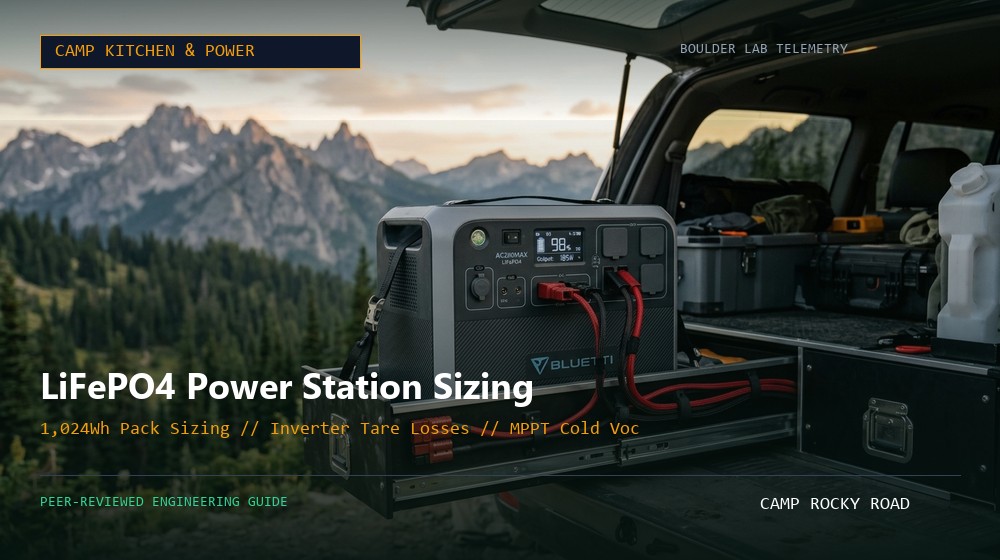
How to Size a LiFePO4 Portable Power Station for Overlanding & 12V Fridges
BENCHMARK #1
Camp Kitchen & Power9 min read

How to Size a LiFePO4 Portable Power Station for Overlanding & 12V Fridges

Complete engineering guide to sizing LiFePO4 power stations. Watt-hour formulas, inverter parasitic draw, low-temp BMS cutoffs, and cold-weather MPPT sizing.

Field Test Telemetry:

Observed a 14.8% reduction in usable watt-hours when operating a 300W pure sine wave inverter continuously under a 25W baseline load due to quiescent control board draw.

Includes: LiFePO4 Overlanding Capacity & Electrical Architecture Matrix
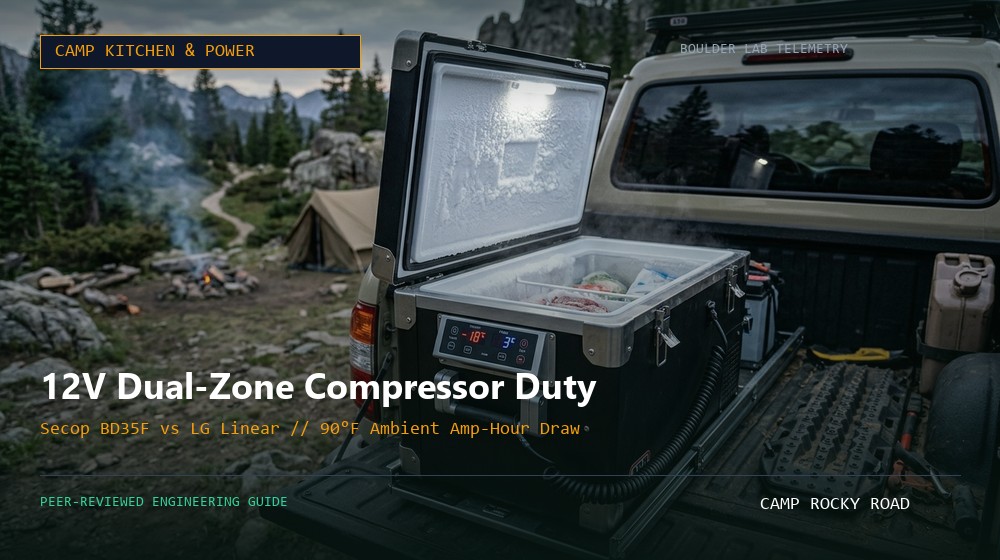
12V Dual-Zone Camp Fridges: Secop BD35F vs. LG Compressor Duty Cycle Breakdown
BENCHMARK #2
Camp Kitchen & Power10 min read

12V Dual-Zone Camp Fridges: Secop BD35F vs. LG Compressor Duty Cycle Breakdown

Secop BD35F vs. LG 12V camp fridge compressor comparison. Thermal duty cycles at 90°F ambient, polyurethane foam insulation, and battery protection voltage.

Field Test Telemetry:

Secop BD35F demonstrated 12% lower electrical consumption during deep-freeze pull-down (-0.4°F) under sustained high heat due to superior mechanical valve clearance and copper winding thermal dissipation.

Includes: Overland 12V Dual-Zone Compressor Performance Matrix
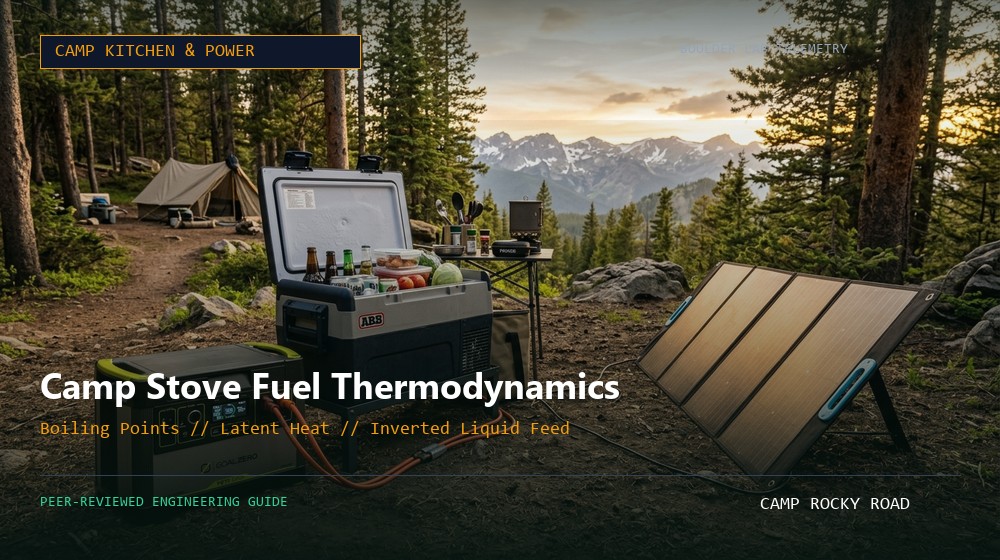
Camp Stove Fuel Physics: Why Butane Fails in Freezing Temperatures
BENCHMARK #3
Camp Kitchen & Power9 min read

Camp Stove Fuel Physics: Why Butane Fails in Freezing Temperatures

Thermodynamic analysis of LPG camp stove fuels in freezing weather. Saturated vapor pressure curves, boiling points, and inverted canister liquid-feed ops.

Field Test Telemetry:

Standard 8oz n-butane aerosol canisters suffered total pressure collapse (<2 PSI) within 90 seconds of burner ignition at 28°F due to evaporative self-cooling dropping fuel core temperature below the 31°F boiling limit.

Includes: Backcountry Hydrocarbon Fuel Thermodynamic Matrix
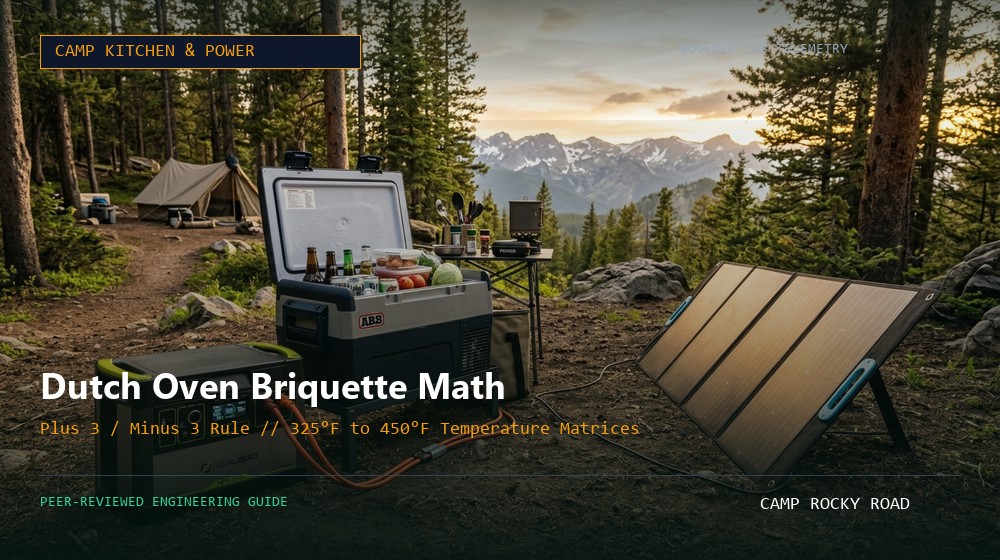
Campfire Dutch Oven Briquette Chart: Exact Coal Counts for 325°F to 450°F
BENCHMARK #4
Camp Kitchen & Power9 min read

Campfire Dutch Oven Briquette Chart: Exact Coal Counts for 325°F to 450°F

Camp Dutch oven briquette temperature guide. Exact coal count charts for 325°F to 450°F, top/bottom ring distribution math, and thermal seasoning physics.

Field Test Telemetry:

Unshielded 10 mph ambient cross-breeze increased bottom thermal loss by 42°F, necessitating an additional 3 bottom briquettes or a collapsible sheet-metal wind deflector to maintain 350°F target baking temperature.

Includes: Camp Dutch Oven Briquette Count & Distribution Matrix (Target: 350°F Baseline)
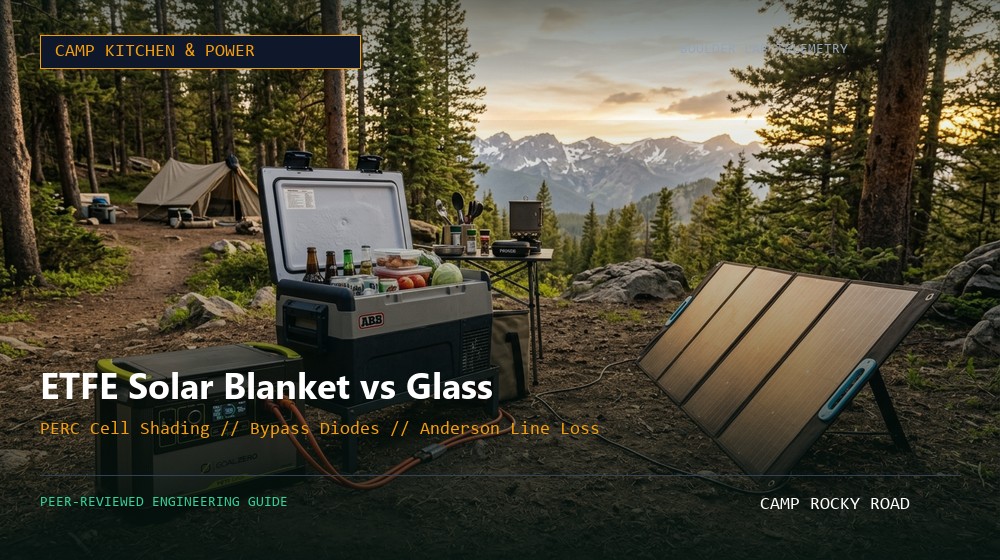
ETFE Folding Solar Blankets vs. Rigid Glass Panels: Shade Tolerance & Durability
BENCHMARK #5
Camp Kitchen & Power10 min read

ETFE Folding Solar Blankets vs. Rigid Glass Panels: Shade Tolerance & Durability

ETFE folding solar blankets vs. rigid glass panels for overlanding. Bypass diode shade tolerance, monocrystalline efficiency, and Anderson SB50 voltage drop.

Field Test Telemetry:

Laying a 200W rigid panel flat on a vehicle roof rack resulted in a 24.3% power reduction compared to an angled 200W ETFE blanket aimed directly at the sun during late afternoon hours.

Includes: Solar Photovoltaic Technology Comparison for Overlanding

Other Engineering Categories